About the Artist
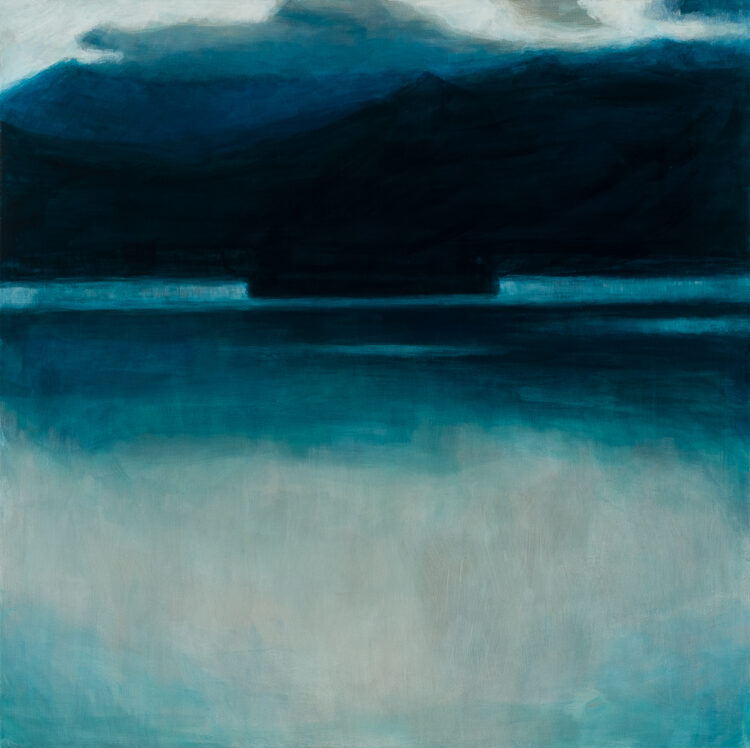
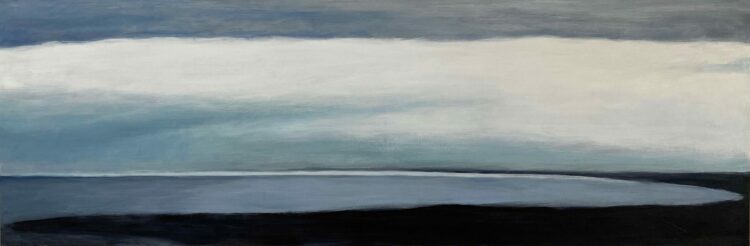
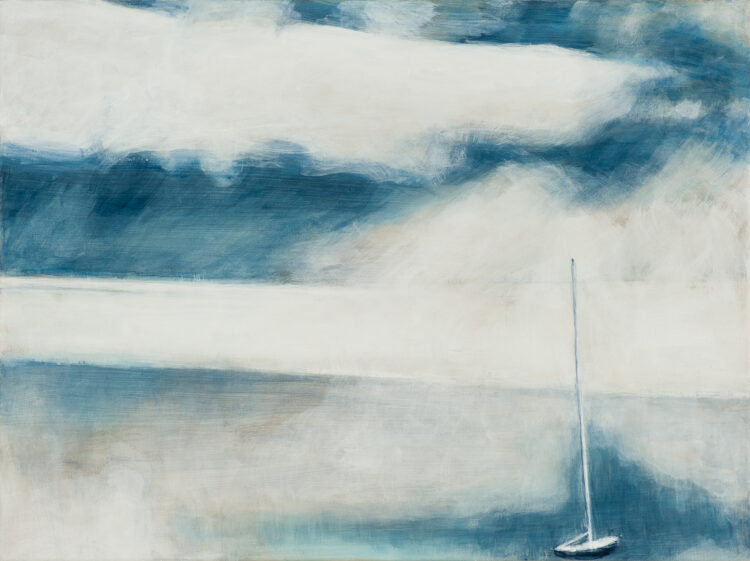
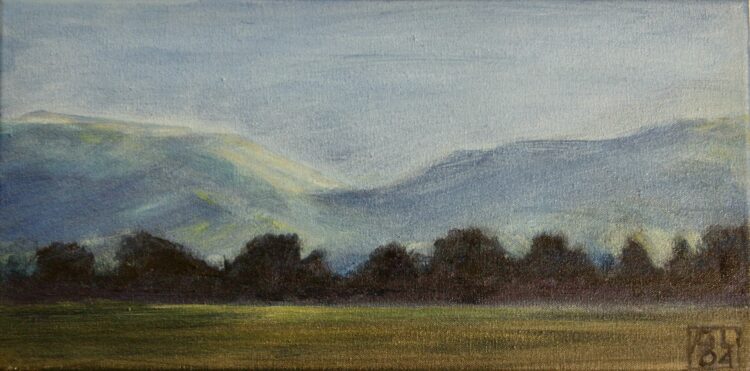
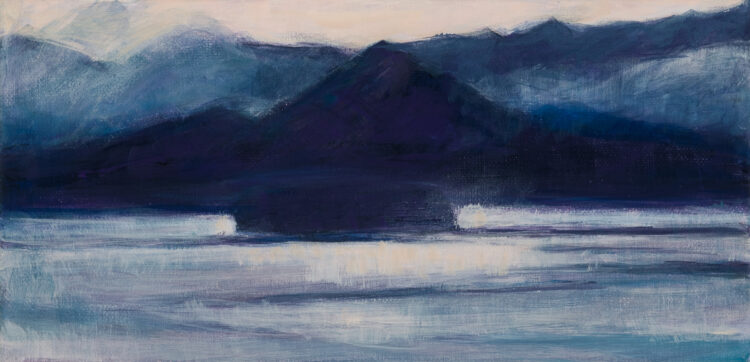
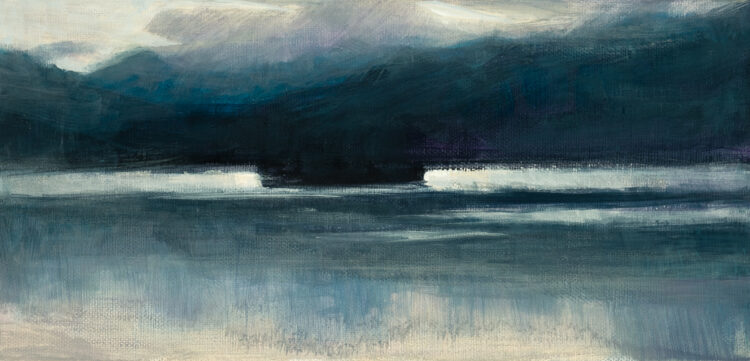
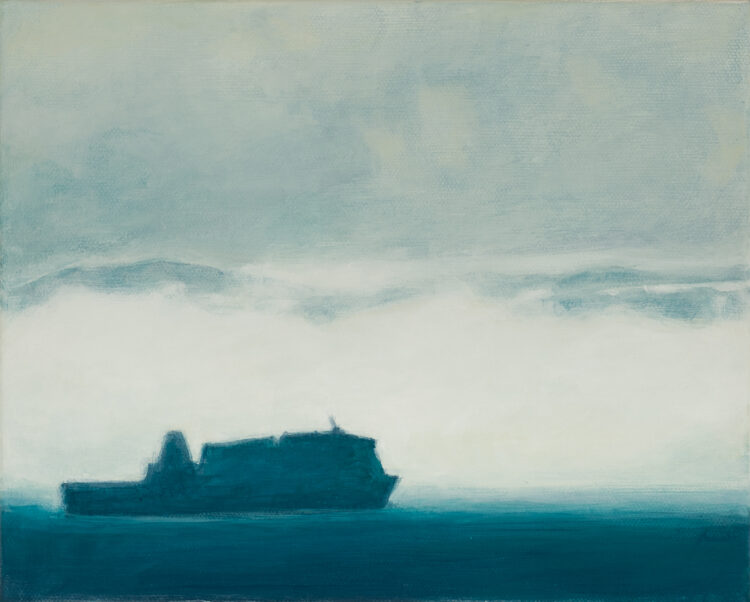
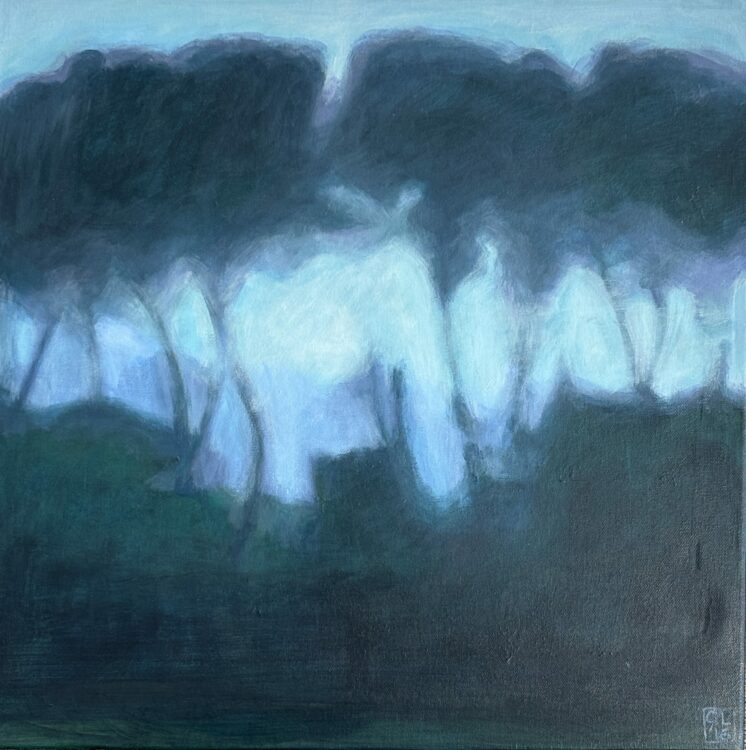
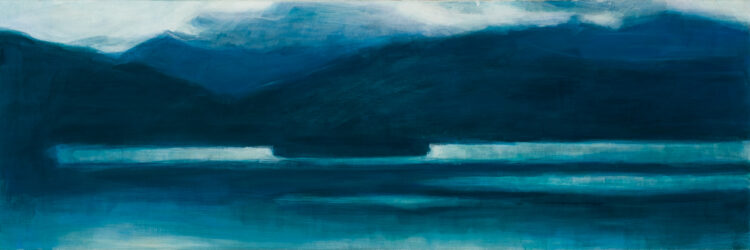
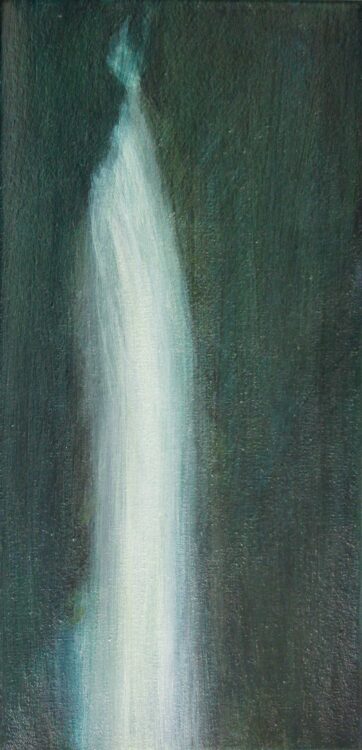
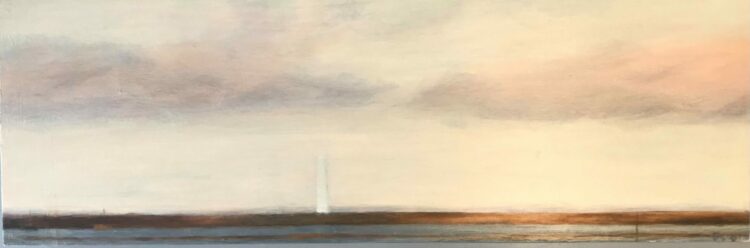
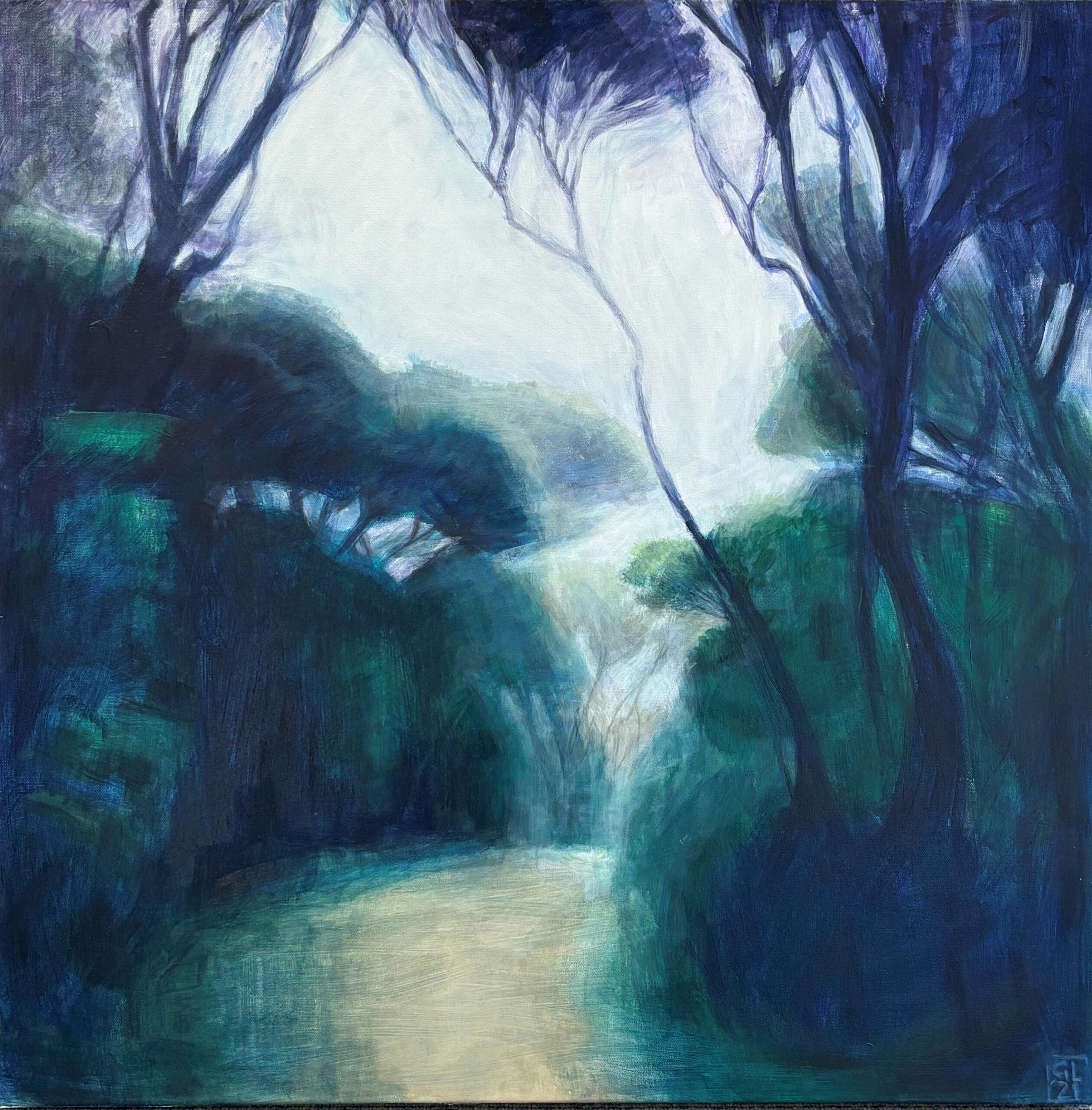
Gerda Leenards grasps fleeting moments, the transience of light and weather in paintings of infinite subtlety. Her works may appear to be landscape, yet are not – Leenards actually paints the light, the weather and echoes of memory, rather than the landforms, and is intrigued by ideas about the transformation of the land and water by the swiftly changing light.
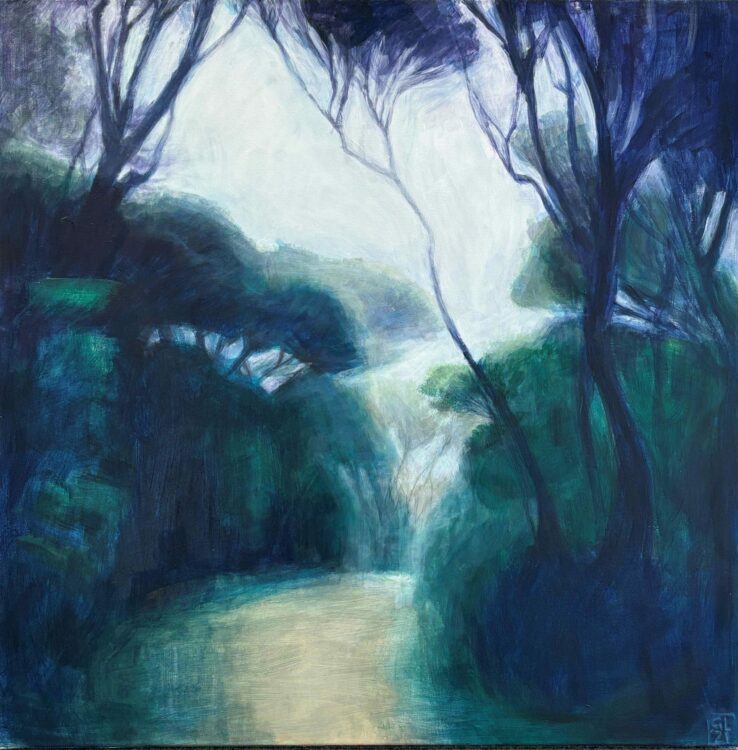
Born in the Netherlands, Leenards emigrated to New Zealand at the age of 10, and her Dutch heritage and awareness of the European masters does influence her work. She is often identified as one of New Zealand’s leading landscape artists, but doesn’t see these paintings as ‘landscapes’ as such. ‘Often landscape is handled in a very stationary way: here are two cabbage trees and a roadway. It’s very descriptive of the road and the trees.’
She is conscious of the way painters like Turner and Constable explored the effects of weather. But she points out those painters were working at an exciting time when scientists were just beginning to understand weather and cloud formation. ‘There was a feeling then that the earth was permanent. Now everything is changing very fast.’ Issues such as global warming and the fragility of the earth interest her, and while she doesn’t paint it literally, this awareness has an influence on her painting of the transience of nature.
Gerda Leenards lives and works in the Wellington region. A graduate of Ilam School of Fine Arts in Christchurch in the 1960s, she has exhibited in the major public galleries in New Zealand and was three times a Visa Gold Award finalist. She has works in most public collections in New Zealand including Te Papa, the National Museum. Her work The Nature of Culture toured in the national show Inheriting the Netherlands. Gerda Leenards is featured in respected New Zealand art publications, including Lands & Deeds, Gregory O’Brien’s book on significant artists contributing to the landscape tradition in New Zealand art.
Recent Works
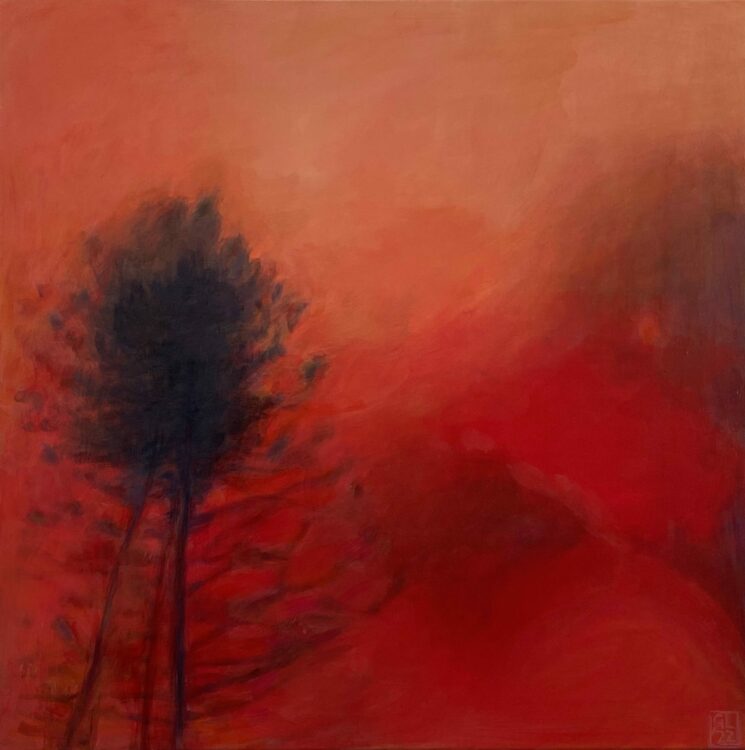
Gerda Leenards is known for her intense engagement with landscape, and often references to underlying concerns or issues have been subtle and understated. Her work Inferno is more direct: addressing concern about climate change and the wildfires raging through Canada, Australia and Europe – even, potentially New Zealand.
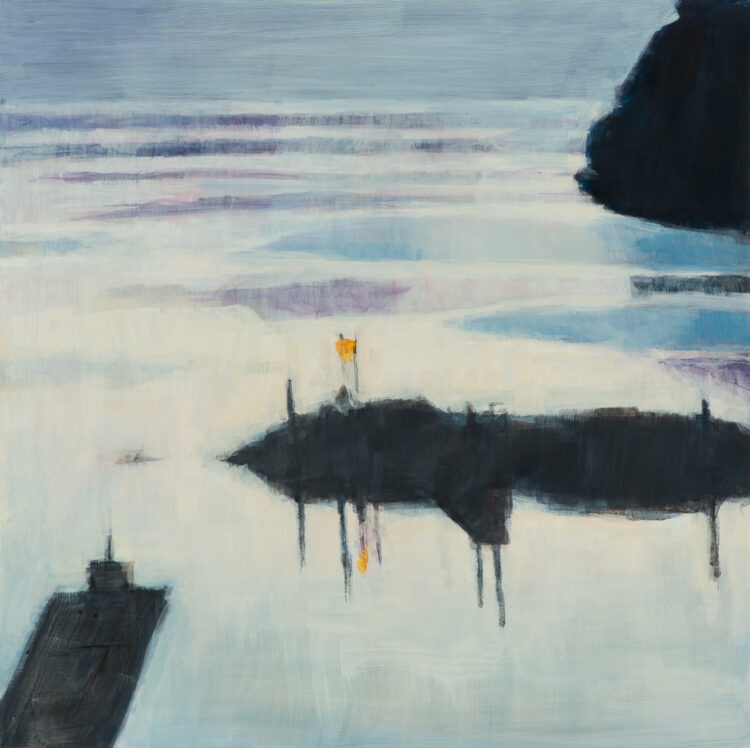
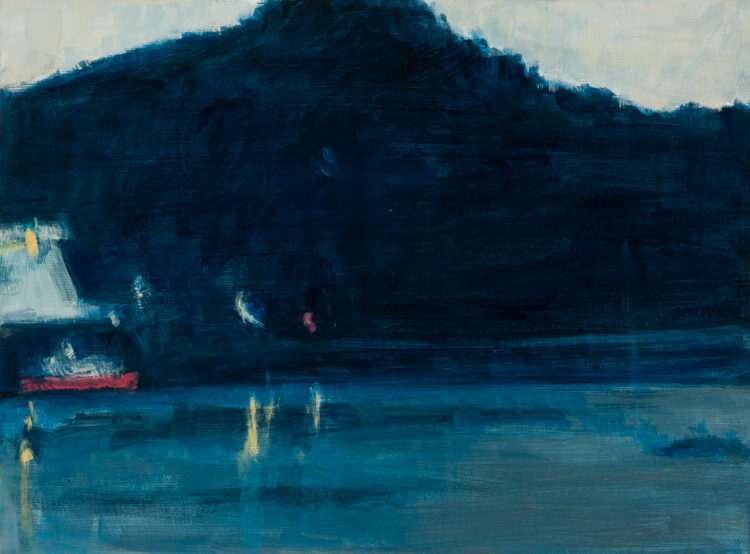
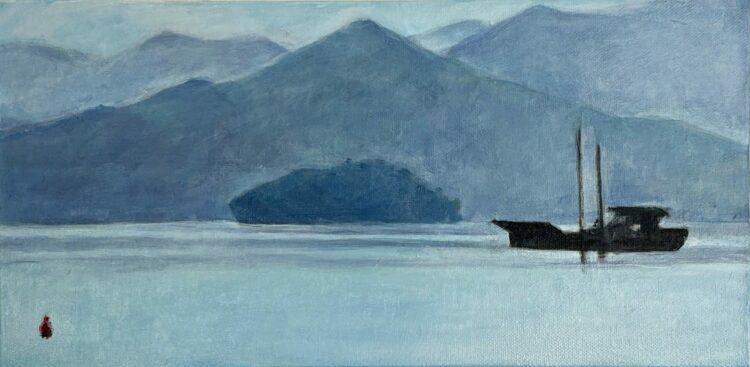
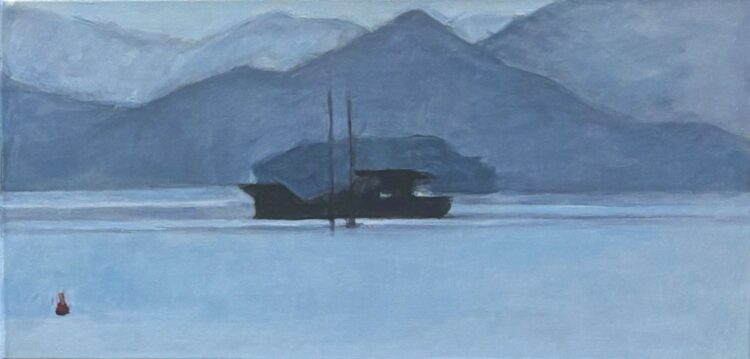
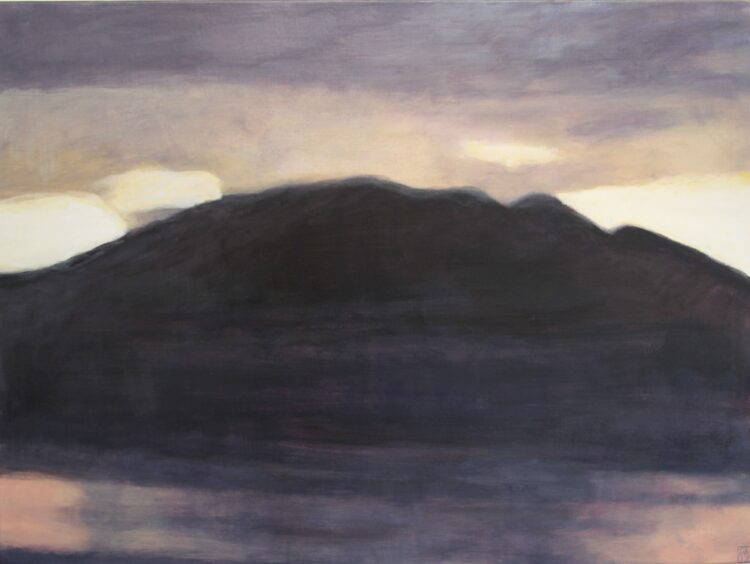
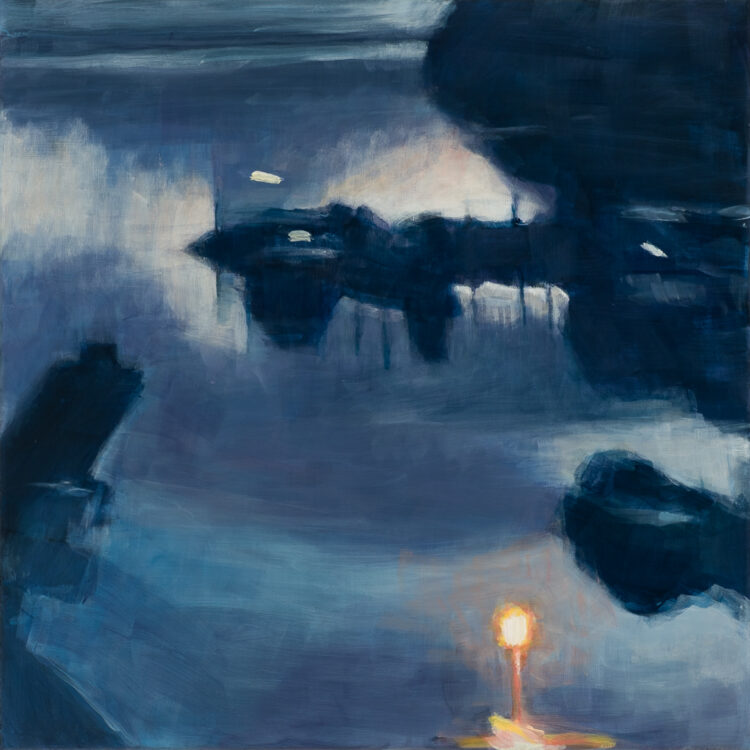
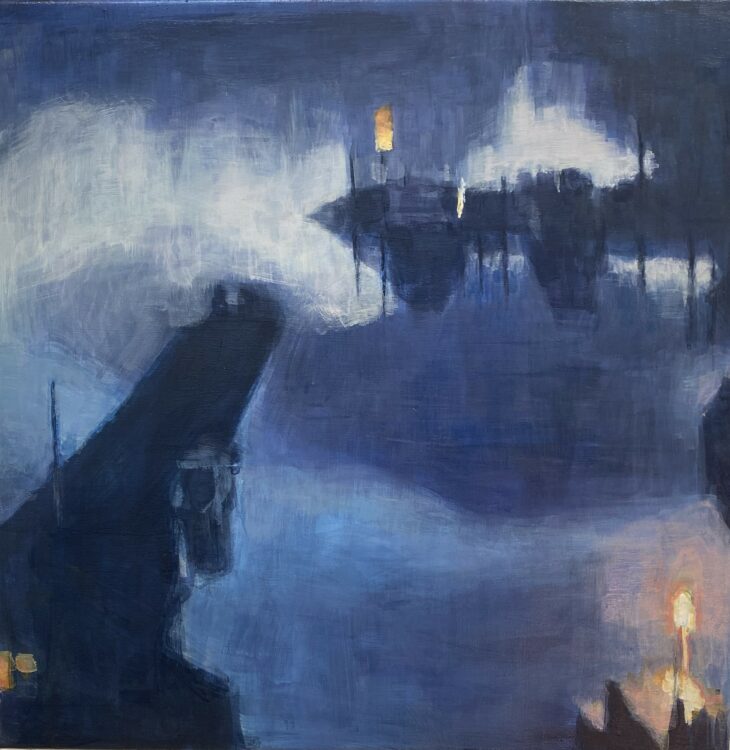
Her recent paintings of Waitohi (Picton) and the Marlborough Sounds arose from residencies and trips to Marlborough over several years; she consciously researched the history of the original names of these places, such as Tukurehu – the island that floats from the mist – known to many Waitohi-Picton locals as Mabel Island, it was given the new name by a NZ Governor in 1859, after his eldest daughter.
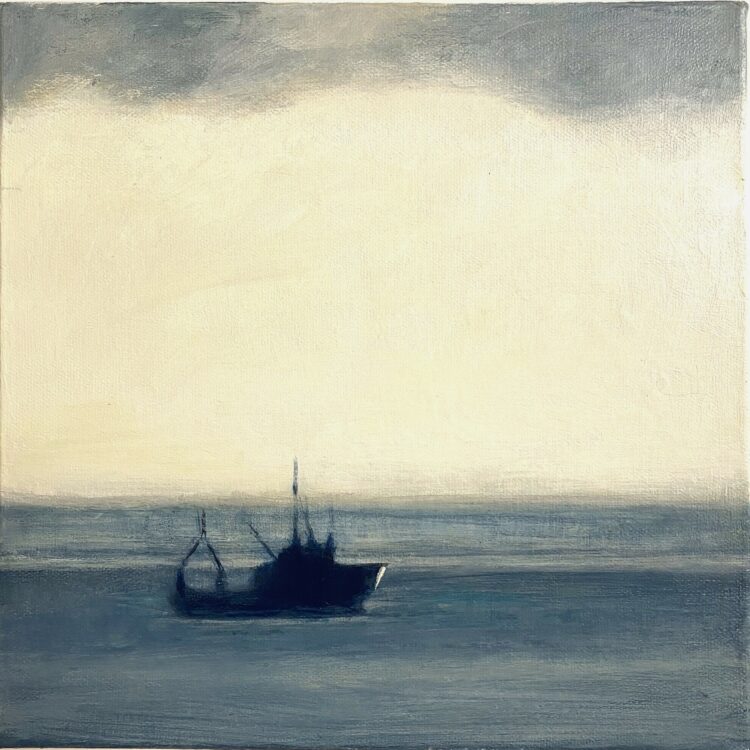
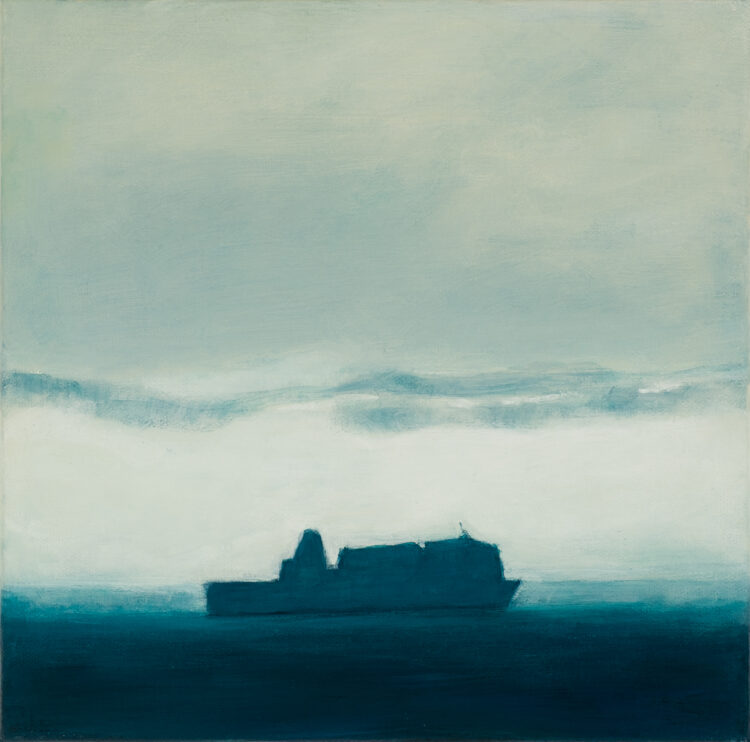
She says many of this series were inspired by the idea of journeys – arrival, departure, safe harbour – reaching back into her memory of the excitement of voyaging to New Zealand in the 1950s.